












.png)
FirePro Technology
We design and manufacture modular, efficient and effective fire suppression systems with an innovative compound at the core of our technology.

Innovative Systems
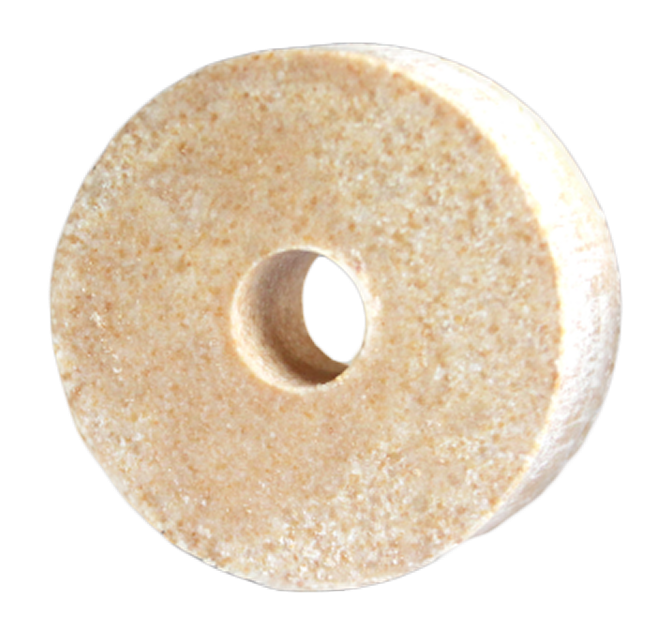
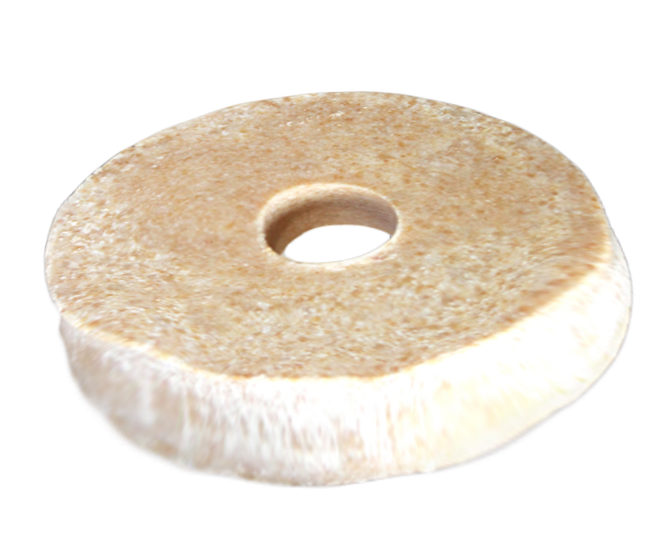
FirePro systems use the latest generation of our patented FPC solid compound, which is the culmination of years of research and development. When activated, the FPC solid compound transforms into a rapidly expanding, highly effective and efficient condensed aerosol for fire suppression.

Modern Technology
The aerosol spreads and distributes evenly throughout the protected space, using the momentum generated during the transformation process. Unlike gaseous agents, the full flooding effect is achieved without increasing pressure in the protected area. Fire suppression is accomplished by interrupting the chemical chain reactions occurring in the fire, rather than by depleting oxygen or cooling, as is associated with traditional (gaseous) agents.
FirePro Advantage
FirePro technology suppresses fire by inhibiting chemical chain reactions at the molecular level, without significantly depleting oxygen. Alternative fire suppression means suppress fire through one or a combination of the following three methods:

Cooling
By absorbing heat from the fire and lowering its temperature.

Fuel Removal
By reducing or interrupting the fuel supply.

Suffocation
By removing oxygen or reducing its level below a certain threshold.
Transformation Process
In a typical fire, an intense reaction occurs between atoms and unstable free radicals in the presence of oxygen. This process continues until the burning fuel is depleted. FirePro suppresses fire primarily by inhibiting, at the molecular level, the chemical chain reactions of combustion.
When the FirePro condensed aerosol generator is activated, the FPC compound transforms into a rapidly expanding condensed aerosol for fire suppression, consisting mainly of potassium carbonate K2CO3 (active agent), N2 (inert gas), H2O (vapor) and other carrier gases in small quantities. The gaseous, 3D properties of the condensed aerosol facilitate its even and rapid distribution throughout the protected volume, as well as its penetration into the natural convection currents of combustion.
The solid potassium salt particles, several microns in size, suspended in a proportional mixture of gases, form an environment that behaves like a gas with full flooding properties. This increases efficiency - resulting in less fire suppression agent required.
When the condensed aerosol reaches and reacts with the flame, potassium radicals (K*) are formed mainly from the dissociation of K2CO3. K* binds with other free radicals (hydroxyls - OH-), forming stable products such as KOH. This action suppresses the fire without significantly reducing the oxygen content in the environment. KOH further reacts in the presence of CO2 and forms stable K2CO3.
The solid potassium carbonate (K2CO3) particles have a diameter of less than five microns and remain suspended in the protected area. The hold times specified by standards are often exceeded, which prevents fire re-ignition.
Certificates and Approvals



Fire Safety Classifications
FirePro condensed aerosol fire suppression technology is suitable for suppressing fires of classes A, B, C and F (according to EN2 classification) and A, B and C (according to NFPA10 classification).
According to EN

Solid Combustible Material

Flammable Liquids

Flammable Gases

Cooking Oils and Fats
According to NFPA

Ordinary Combustible Materials

Flammable Liquids and Gases

Electrical Equipment
Environment
The solid FPC compound, developed after many years of research and development, uses environmentally clean potassium salts. We are committed to quality and the environment and hold ISO9001 2015 and ISO14001 certificates.
Are You Ready to Protect Yourself?
Talk to a fire suppression expert and see what FirePro can do for you.