










.png)
Diesel generators
Frequent and/or prolonged power outages will bring a business’s mission critical operations to a stop, ultimately resulting in a loss of productivity and consequently profitability
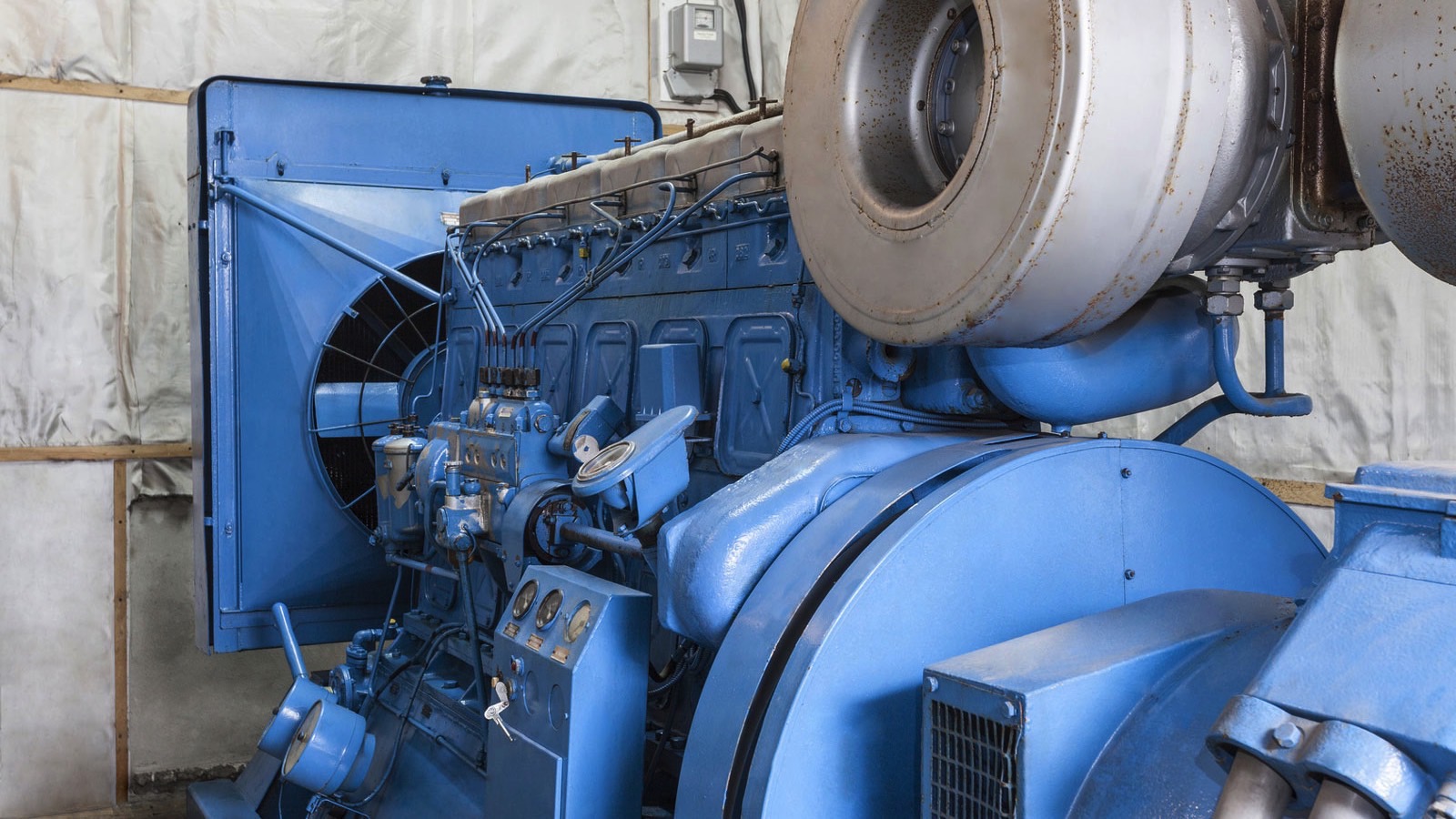
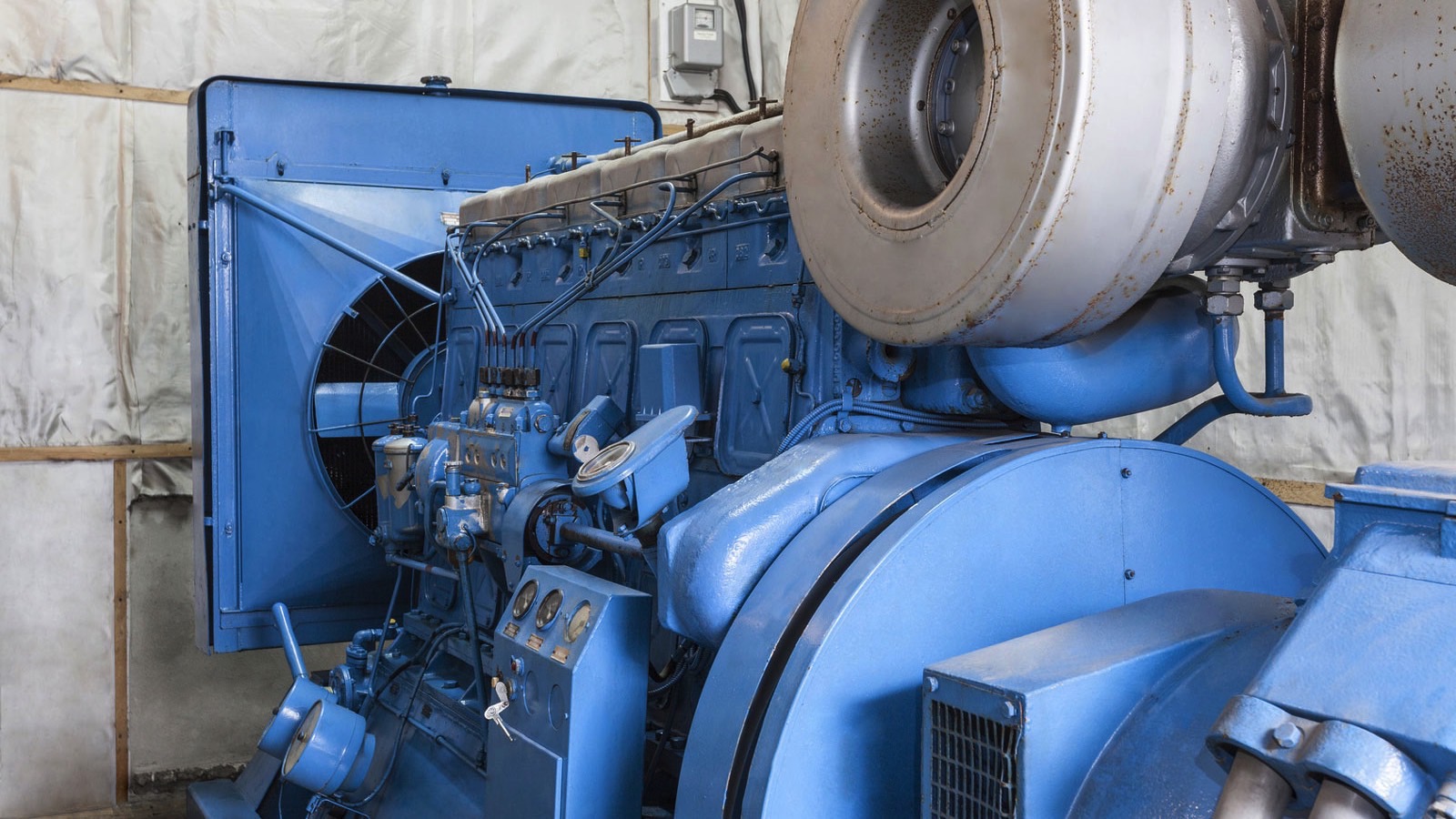
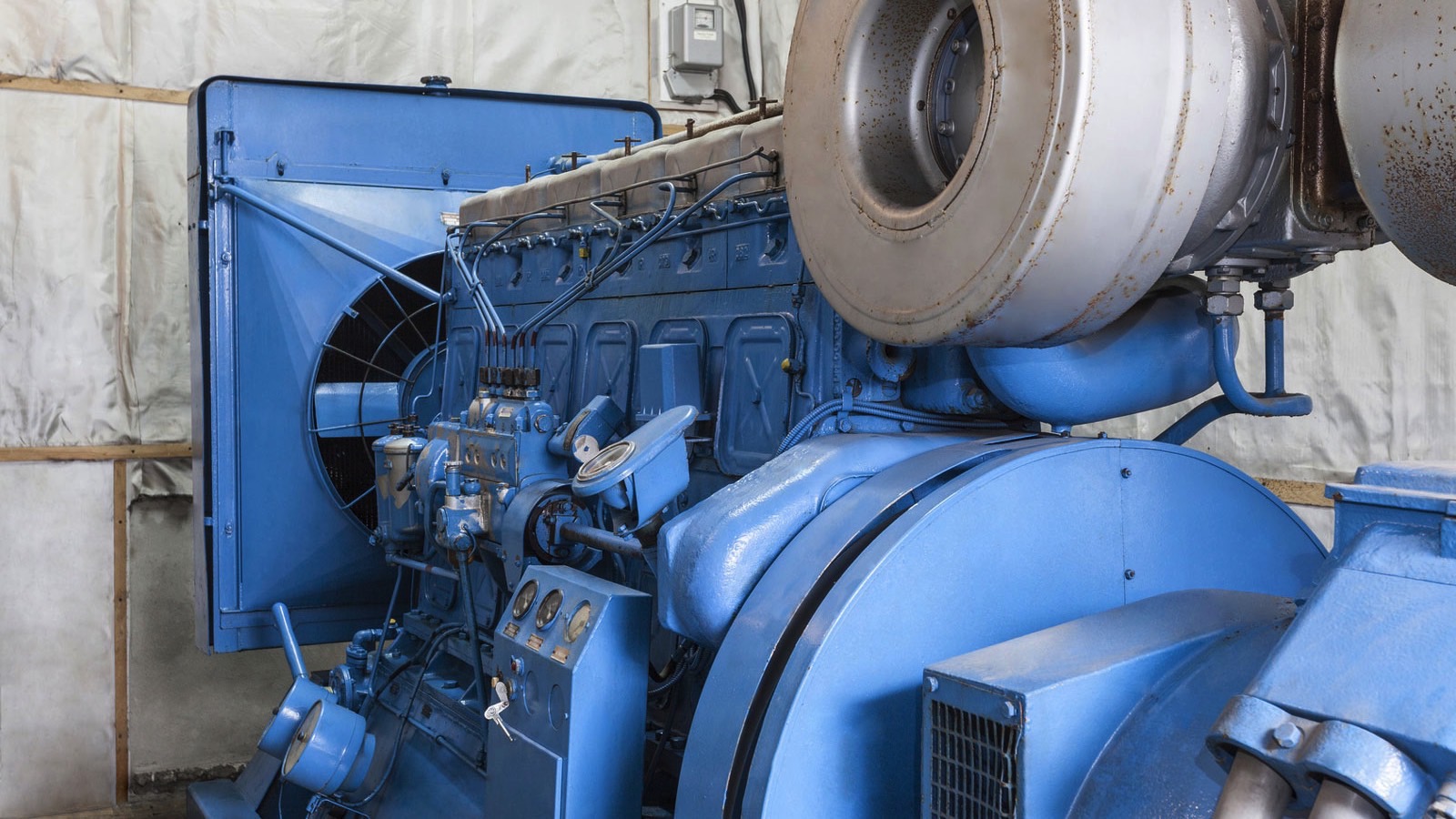
As countermeasure, businesses install natural gas or diesel fueled generators for emergency situations. These generators present a fire hazard, since a spark, or the surfaces of the engine, can exceed the temperatures needed to ignite any fumes or fuel spills.
Fire Hazard Causes for Diesel Generators
Fuel leakage is a prevalent cause of diesel generator fires and can result from damaged or defective fuel lines, fittings, or tanks. When fuel leaks occur, they can create an ignition source that can quickly ignite and spread to other parts of the generator, leading to a dangerous and destructive fire.
Aging of components is another significant cause of diesel generator fires, as the degradation and weakening of materials over time can create conditions that are conducive to fire. Over time, aging components can become brittle, cracked, or corroded, leading to failures that can create sparks or generate heat, which can then ignite fuel or other flammable materials.
Short circuits can be a dangerous cause of diesel generator fires, as they can lead to the sudden and rapid release of electrical energy that can generate significant heat and sparks. Short circuits can occur due to a range of factors, including faulty wiring, loose connections, or damaged components, and they can quickly escalate into a serious fire hazard if not addressed promptly.
Inadequate maintenance is another common cause of diesel generator fires, as neglected or poorly maintained equipment can become vulnerable to a range of hazards that can lead to fires. For example, poorly maintained fuel lines or filters can become clogged, increasing the risk of fuel leakage and ignition, while dirty or damaged electrical components can create dangerous sparks or shorts that can ignite fires. Regular maintenance and inspections are essential to identify and address these issues before they escalate into more significant problems.
Fire Suppression Challenges
Ventilation
Ventilation openings help towards minimizing the risk of overheating and smoke build-up. These openings present a problem for fire suppression technologies that require a completely sealed enclosure to be effective.
Fuel leaks
When a generator is in operation, the temperature of the engine and exhaust system can be so high that it can cause any fluids spilled during refueling or from a damaged fuel line to ignite, without any external spark or flame.
Classes of fire
Diesel generators can be subject to a combination of Class A combustible materials (wires and insulating material), Class B flammable liquids and gases (generator fuel), and Class C electrical equipment. Fire suppression systems must therefore be suitably certified for these classes of fire.
Advantages
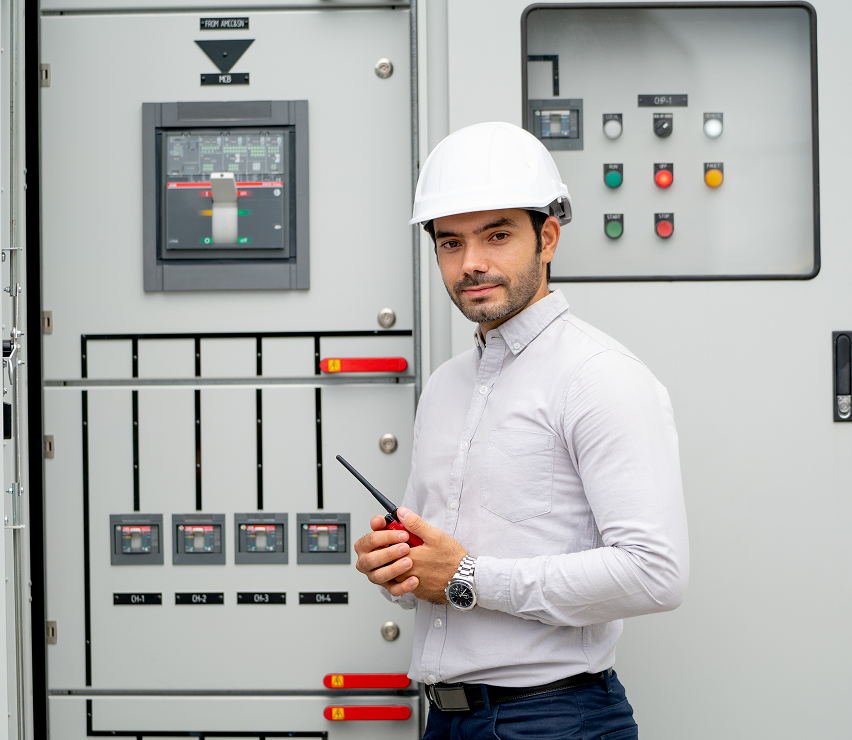
Suitable for Electrical Panels
Our fire suppression technology is specifically designed to be suitable for electrical panels.
No Pipes or Nozzles
Our fire suppression technology is specifically designed to be suitable for electrical panels.
15-Year Product Life
Our fire suppression technology is specifically designed to be suitable for electrical panels.
Pressureless
Our fire suppression technology is specifically designed to be suitable for electrical panels.
Minimal Maintenance
Our fire suppression technology is specifically designed to be suitable for electrical panels.
Allowable Deviation of Small Openings in Enclosures
Our fire suppression technology is specifically designed to be suitable for electrical panels.
Easy and Fast Installation
Our fire suppression technology is specifically designed to be suitable for electrical panels.
Extreme Conditions (from -54 to +54 degrees Celsius)
Our fire suppression technology is specifically designed to be suitable for electrical panels.
Space and Weight Savings
Our fire suppression technology is specifically designed to be suitable for electrical panels.
Why FirePro.
Leakage
FirePro fire suppression technology is capable of handling small openings in the enclosure that can lead to agent loss.
Compactness
Thanks to their compact size, FirePro generators are an ideal solution for electrical cabinets, as they can fit inside the panel, providing direct protection. The smallest generator in the FirePro series has dimensions of 32 mm (diameter) and 180 mm (height).
Easy to install in new or retrofit projects.
FirePro generators are an "all-in-one" container and are equivalent to the agent storage tank, piping, and nozzles of a pressurized gas system. They are installed directly in the hazard enclosure, without the need for additional space for the system.